
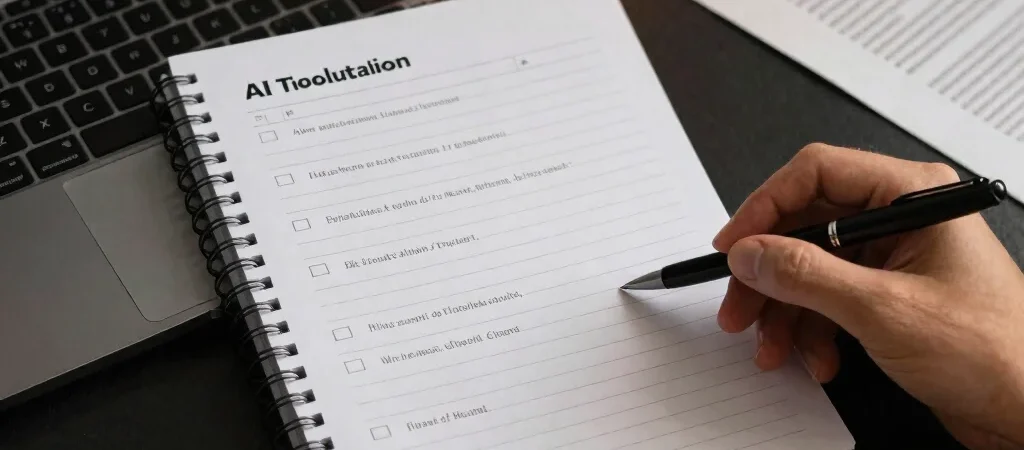
An AI writing tool can produce a smooth paragraph in seconds, then quietly miss a product detail that changes the meaning. That gap between fluent output and dependable work is why evaluation should start with a real task, not a staged demo. Keep the test small enough to repeat and specific enough to judge.
Choose a Familiar Task
Pick work your team already understands, such as turning interview notes into a draft outline or generating several headline directions from a brief. Use the same source material and instructions each time so results are comparable. Avoid feeding confidential material into a tool unless your organization has reviewed its data and privacy terms.
Judge More Than Speed
Record how much editing the result needs, whether it preserves important facts, and how clearly it signals uncertainty. A faster first draft is not a time saving if someone must rebuild the argument or verify every sentence. For design and marketing teams, fit with existing review steps matters as much as the output itself.
Keep a Human Review Point
Decide in advance which claims, links, and sensitive details require a person to check them before publication. Save the prompt and a short note about what worked, so another teammate can reproduce the test rather than rely on anecdotes. The useful question is not whether AI can do the task; it is whether this tool helps your team do it responsibly.